Mental Health Support for Children
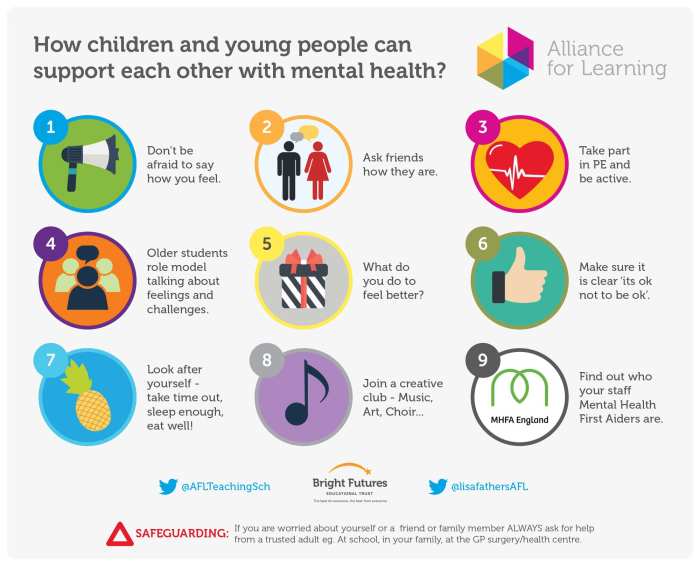
Mental health support for children is crucial for their overall well-being and future success. Understanding the unique challenges children face at different developmental stages is paramount. This exploration delves into effective strategies for managing stress and anxiety, addressing depression, and fostering resilience. We will examine various therapeutic approaches, the importance of mindfulness, and the role of parents, caregivers, and workplaces in supporting children’s mental health journey.
From recognizing early warning signs of mental health issues to implementing practical coping mechanisms and accessing appropriate resources, this comprehensive guide aims to empower parents, educators, and professionals to provide the necessary support for children’s emotional and psychological development. We will also address the often-overlooked aspects, such as the impact of sleep and the growing need for workplace support systems that acknowledge the mental health needs of employees with children.
Understanding Children’s Mental Health Needs
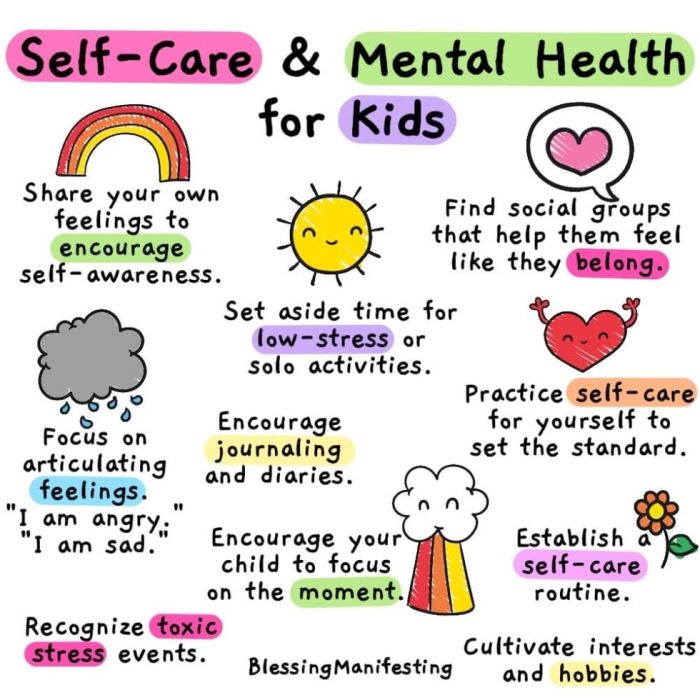
Children’s mental health is a crucial aspect of their overall well-being, significantly impacting their development, academic performance, and social relationships. Understanding the unique challenges they face is vital for providing appropriate support and intervention. This section explores the complexities of children’s mental health, encompassing developmental stages, common symptoms, contributing factors, and a comparison of various mental health issues.
Unique Challenges Faced by Children
Children experience mental health challenges differently than adults. Their developing brains and limited coping mechanisms make them particularly vulnerable. They lack the life experience and emotional regulation skills to navigate complex situations effectively. Furthermore, their dependence on caregivers for support and protection means that parental or caregiver mental health significantly impacts their own well-being. The pressure to succeed academically and socially can also add significant stress.
Developmental Stages and Their Impact on Mental Well-being
Different developmental stages present unique vulnerabilities. Infants and toddlers may struggle with attachment issues, leading to anxiety or behavioral problems. Preschoolers might experience separation anxiety or difficulty with emotional regulation. School-aged children face academic pressures, peer relationships, and social anxieties. Adolescents grapple with identity formation, peer pressure, and hormonal changes, often leading to increased risk of depression, anxiety, and substance abuse.
Understanding these developmental milestones helps identify age-appropriate signs and symptoms of mental health concerns.
Common Signs and Symptoms of Mental Health Issues in Children
Recognizing the signs of mental health issues in children is crucial for early intervention. These signs can manifest differently depending on age and developmental stage. Common symptoms include changes in behavior (e.g., increased aggression, withdrawal, clinginess), changes in sleep patterns (e.g., insomnia, excessive sleeping), changes in appetite (e.g., significant weight loss or gain), difficulty concentrating, persistent sadness or irritability, and persistent somatic complaints (e.g., stomach aches, headaches).
It’s important to note that these symptoms can be indicative of various underlying issues and require professional assessment.
Contributing Factors to Children’s Mental Health
A child’s mental health is influenced by a complex interplay of factors. Family dynamics, including parental mental health, parenting styles, and family conflict, play a significant role. School environment, including academic pressure, bullying, and lack of social support, can also impact mental well-being. Social factors, such as peer relationships, social media influence, and community support systems, further contribute to a child’s overall mental health.
Adverse childhood experiences (ACEs) such as abuse, neglect, or witnessing domestic violence can have long-lasting negative consequences.
Comparison of Mental Health Issues in Children
| Issue | Common Symptoms | Developmental Impact | Contributing Factors |
|---|---|---|---|
| Anxiety | Excessive worry, fear, nervousness, physical symptoms (e.g., stomach aches, headaches) | Can interfere with social interactions, academic performance, and sleep | Genetics, stressful life events, family history of anxiety |
| Depression | Persistent sadness, loss of interest in activities, changes in appetite and sleep, fatigue | Impairs academic performance, social relationships, and overall development | Genetics, trauma, loss, family history of depression |
| ADHD | Inattention, hyperactivity, impulsivity | Challenges with academic performance, social interactions, and self-regulation | Genetics, brain development, environmental factors |
| Oppositional Defiant Disorder (ODD) | Argumentative, defiant behavior, anger outbursts | Strained relationships with family and peers, difficulty in school | Genetics, parenting styles, environmental stressors |
| Autism Spectrum Disorder (ASD) | Difficulties with social interaction, communication, and repetitive behaviors | Challenges with social skills development, communication, and learning | Genetics, brain development |
Stress and Anxiety Management Techniques for Children
Children experience stress and anxiety in various ways, often manifesting differently depending on their age and developmental stage. Understanding these variations is crucial for providing effective support and teaching age-appropriate coping mechanisms. This section explores techniques to help children manage stress and anxiety, empowering them with tools for navigating challenging emotions.
Age-Appropriate Coping Mechanisms for Stress and Anxiety
Young children (preschool to early elementary) may express anxiety through clinginess, tantrums, or difficulty sleeping. Older children (late elementary to adolescence) might exhibit irritability, withdrawal, changes in appetite, or somatic complaints. Coping mechanisms should be tailored to these developmental differences. For younger children, simple activities like drawing, playing with clay, or engaging in imaginative play can be beneficial.
For older children, journaling, spending time in nature, or participating in hobbies can provide valuable outlets for stress. Encouraging open communication and validating their feelings is vital at all ages. Providing a safe and predictable environment also significantly reduces anxiety.
Effective Relaxation Exercises for Children of Different Age Groups
Relaxation exercises are powerful tools for managing stress and anxiety. Deep breathing exercises, such as belly breathing (placing a hand on the stomach to feel it rise and fall), are suitable for all ages. Progressive muscle relaxation, where children tense and then release different muscle groups, is more effective for older children who can understand the instructions. Guided imagery, where children visualize calming scenes, is also beneficial, especially for younger children.
For example, a younger child might imagine themselves on a beach, while an older child might visualize a peaceful forest. Yoga and mindfulness activities, adapted to their age and abilities, can also be highly effective.
A Step-by-Step Guide for Parents on Helping Children Manage Anxiety
1. Identify Triggers
Work with your child to identify situations or events that trigger their anxiety. Keeping a journal can be helpful.
2. Validate Feelings
Acknowledge and validate your child’s feelings without dismissing them. Let them know it’s okay to feel anxious.
3. Teach Coping Skills
Introduce age-appropriate coping mechanisms, such as deep breathing exercises or mindfulness techniques. Practice these skills regularly.
4. Create a Routine
Establishing a consistent daily routine can provide a sense of security and predictability, reducing anxiety.
5. Promote Healthy Habits
Encourage healthy sleep habits, regular physical activity, and a balanced diet.
6. Seek Professional Help
If anxiety is severe or persistent, seek professional help from a therapist or counselor specializing in child and adolescent mental health.
Benefits of Mindfulness and Meditation for Children’s Mental Well-being
Mindfulness and meditation teach children to focus on the present moment, reducing overthinking and worry about the future or rumination on the past. Regular practice can improve attention span, emotional regulation, and self-awareness. It can also help children develop a sense of calm and inner peace, building resilience against stress. Mindfulness activities, such as mindful breathing or body scans, can be easily incorporated into daily routines.
Resources for Stress and Anxiety Management for Children
Many resources are available to support children and their families in managing stress and anxiety. These include:
- Books: “What to Do When You Worry Too Much” by Dawn Huebner, “The Relaxation and Stress Reduction Workbook for Kids” by Lisa M. Schab, Psy.D.
- Apps: Smiling Mind (guided meditations), Calm (for relaxation and sleep), Stop, Breathe & Think Kids (mindfulness exercises).
- Websites: The Anxiety & Depression Association of America (ADAA), Child Mind Institute.
Depression Support Resources for Children and Families
Childhood depression is a serious issue that can significantly impact a child’s development and well-being. Recognizing the signs, understanding the role of caregivers, and accessing appropriate resources are crucial steps in supporting children and families facing this challenge. Early intervention is key to improving outcomes.
Warning Signs of Depression in Children and Adolescents
Recognizing the signs of depression in children can be challenging as they may not express their feelings in the same way adults do. Symptoms can vary depending on age and developmental stage. It’s important to look for persistent changes in behavior and mood, rather than isolated incidents.
Common warning signs include persistent sadness or irritability, significant changes in sleep patterns (insomnia or excessive sleeping), changes in appetite (loss of appetite or overeating), loss of interest in activities once enjoyed, feelings of hopelessness or worthlessness, difficulty concentrating, fatigue or low energy, and physical complaints such as headaches or stomachaches. In adolescents, there may also be increased risk-taking behaviors, social withdrawal, and self-harm.
The Role of Parents and Caregivers in Supporting a Child Experiencing Depression
Parents and caregivers play a vital role in identifying and addressing a child’s depression. Their support is crucial for creating a safe and understanding environment conducive to healing. Active listening, providing reassurance, and seeking professional help are essential components of this support.
Parents can help by creating a structured routine, encouraging healthy habits (sleep, diet, exercise), and validating the child’s feelings. It is important to avoid dismissing their feelings or minimizing their experiences. Open communication and consistent support can significantly impact a child’s recovery. Parents should also prioritize their own well-being to effectively support their child.
Types of Therapy Effective for Treating Childhood Depression
Several therapeutic approaches have proven effective in treating childhood depression. The most appropriate approach will depend on the child’s age, the severity of their depression, and other individual factors. A collaborative approach between the child, family, and therapist is essential.
Commonly used therapies include Cognitive Behavioral Therapy (CBT), which helps children identify and change negative thought patterns and behaviors; play therapy, which utilizes play as a means of expression and exploration for younger children; and family therapy, which addresses family dynamics and communication patterns that may contribute to the child’s depression. Medication may also be considered in some cases, usually in conjunction with therapy.
Support Groups and Community Resources for Families
Numerous support groups and community resources are available to families dealing with a child’s depression. These resources provide valuable support, education, and connection with others facing similar challenges. Accessing these resources can significantly reduce feelings of isolation and improve coping strategies.
Examples include support groups offered by mental health organizations (such as the National Alliance on Mental Illness – NAMI), online forums and communities dedicated to childhood mental health, and local community centers offering counseling and support services. Schools often have counselors and social workers who can provide guidance and connect families with additional resources.
Strategies for Fostering Open Communication About Mental Health Within Families
Open and honest communication about mental health is essential for creating a supportive family environment. This requires creating a safe space where children feel comfortable expressing their feelings without judgment or fear of reprisal.
Families can foster open communication by regularly engaging in conversations about mental health, normalizing feelings and experiences, and modeling healthy coping mechanisms. Educating family members about mental health conditions and available resources can also contribute to a more supportive environment. Family activities that promote bonding and connection can also help create a stronger sense of support.
Mindfulness Practices for Children
Mindfulness, the practice of paying attention to the present moment without judgment, offers significant benefits for children’s emotional well-being and cognitive development. By teaching children mindfulness techniques, we equip them with valuable tools to manage stress, regulate emotions, and improve focus. These practices are not about silencing the mind, but rather about cultivating a gentle awareness of thoughts and feelings as they arise.Mindfulness Principles and Their Application to ChildrenMindfulness for children is adapted to their developmental stage.
It emphasizes simple, playful activities that engage their senses and imaginations. The core principles remain the same: focusing attention on the present moment, accepting thoughts and feelings without judgment, and cultivating kindness towards oneself and others. Unlike adult mindfulness practices that often involve complex meditation techniques, children’s mindfulness focuses on engaging their senses and developing awareness through playful exercises.
This approach makes mindfulness accessible and enjoyable for young minds.
Mindfulness Activities for Different Age Groups
Mindfulness activities can be tailored to suit various age groups. Younger children benefit from shorter, more playful activities, while older children can engage in more complex practices.Younger children (ages 3-6) may enjoy simple breathing exercises like blowing bubbles or watching a candle flame. They can also participate in sensory activities such as listening to nature sounds or feeling different textures.
Body scans can be adapted to focus on just a few body parts, such as their hands and feet. Storytelling incorporating mindful elements can also be very effective.Older children (ages 7-12) can engage in longer breathing exercises, guided meditations, or mindful movement activities like yoga. They can also participate in more detailed body scans, focusing on different parts of their bodies and noticing any sensations.
Journaling or drawing can also be incorporated as a mindful activity to help them express their feelings. Mindful listening to music can also be beneficial.
A Simple Mindfulness Exercise for Parents and Children
This exercise focuses on mindful breathing and observation.
1. Find a quiet space
Sit comfortably together, either on the floor or on chairs.
2. Focus on the breath
Close your eyes gently. Inhale deeply through your nose, feeling the air fill your belly. Exhale slowly through your mouth, noticing the air leaving your body.
3. Observe the sensations
Notice the feeling of the air entering and leaving your nostrils, the rise and fall of your belly, and the coolness of the air on your skin.
4. Notice your thoughts and feelings
As thoughts or feelings arise, simply acknowledge them without judgment. Gently guide your attention back to your breath.
5. Extend the exercise
Start with 1-2 minutes and gradually increase the duration as your child becomes more comfortable.
Impact of Mindfulness on Children’s Emotional Regulation and Focus
Mindfulness helps children develop self-awareness, enabling them to recognize and understand their emotions. This enhanced self-awareness fosters emotional regulation, allowing them to manage their feelings more effectively. Regular mindfulness practice improves focus and attention span, reducing impulsivity and improving concentration in school and other activities. Studies have shown a positive correlation between mindfulness practices and reduced anxiety and stress levels in children.
Visual Representation of a Child Engaging in a Mindfulness Activity
Imagine a seven-year-old girl, Lily, sitting cross-legged on a colorful cushion in a sunlit room. Her eyes are closed, and a gentle smile plays on her lips. She is participating in a mindful breathing exercise. Her hands rest gently on her lap, and her chest rises and falls slowly and rhythmically with each breath. Sunlight streams through the window, illuminating dust motes dancing in the air, which she observes passively, without judgment.
She is fully present in the moment, her attention focused solely on the sensation of her breath and the quiet stillness of the room. The image conveys a sense of calm and peace, highlighting the child’s connection to her inner self through this mindful practice.
Mental Health Advocacy and Awareness
Raising awareness about children’s mental health is crucial for fostering supportive communities and ensuring access to timely and effective care. Early intervention is key to preventing more serious issues later in life, and a well-informed public can play a vital role in identifying and addressing children’s mental health needs. Without widespread understanding and acceptance, children may suffer in silence, delaying crucial treatment and impacting their overall well-being.Effective advocacy strategies are essential to create lasting change.
These efforts aim to improve access to mental health services, reduce stigma, and promote early intervention programs. Successful advocacy requires a multi-pronged approach involving collaboration between families, healthcare professionals, policymakers, and community organizations.
The Importance of Raising Awareness About Children’s Mental Health, Mental health support for children
Raising awareness about children’s mental health involves educating the public about common mental health challenges faced by children and adolescents, such as anxiety, depression, and ADHD. This includes dispelling common misconceptions and highlighting the importance of seeking professional help when needed. Effective awareness campaigns utilize various channels, including social media, educational materials, and public service announcements, to reach a wide audience and promote understanding.
The goal is to create a culture of open communication and support around children’s mental well-being. For example, campaigns showcasing relatable stories of children and families navigating mental health challenges can be particularly impactful in fostering empathy and understanding.
Effective Strategies for Advocating for Better Mental Health Services for Children
Advocating for better mental health services involves actively engaging with policymakers and healthcare systems to ensure children have access to high-quality, affordable care. This includes lobbying for increased funding for mental health programs, advocating for policies that support early intervention and prevention, and promoting the integration of mental healthcare into primary care settings. Collaboration with organizations dedicated to children’s mental health is vital for amplifying the voices of those affected and influencing policy decisions.
A successful example would be collaborating with local school districts to integrate mental health screenings into regular health check-ups for students.
Combating Stigma Surrounding Children’s Mental Health Issues
Combating stigma involves challenging negative stereotypes and misconceptions surrounding children’s mental health. This requires promoting open and honest conversations about mental health, sharing personal stories to humanize the experience, and educating the public about the biological and environmental factors that contribute to mental health challenges. By normalizing conversations about mental health and emphasizing that seeking help is a sign of strength, not weakness, we can create a more supportive and inclusive environment for children and families.
Public awareness campaigns that feature positive role models and successful stories of recovery can be particularly effective in reducing stigma.
Examples of Successful Mental Health Advocacy Initiatives
Several successful initiatives demonstrate the power of advocacy in improving children’s mental health. The “You Are Not Alone” campaign, for instance, uses social media to connect young people struggling with mental health issues, providing a sense of community and support. Similarly, initiatives advocating for increased school-based mental health services have shown promising results in providing timely intervention and support to children in need.
These successes highlight the effectiveness of collaborative efforts between community organizations, schools, and healthcare providers in creating meaningful change.
Key Advocacy Points for Children’s Mental Health
| Advocacy Point | Strategy | Impact |
|---|---|---|
| Increased Funding for Mental Health Services | Lobbying policymakers, fundraising campaigns, public awareness campaigns | Improved access to care, more comprehensive services |
| Early Intervention and Prevention Programs | Collaboration with schools, community organizations, and healthcare providers | Reduced severity of mental health issues, improved outcomes |
| Reducing Stigma | Public awareness campaigns, educational initiatives, sharing personal stories | Increased help-seeking behavior, more supportive environments |
| Improved Access to Mental Health Professionals | Advocating for increased training and recruitment of mental health professionals, telehealth expansion | Shorter wait times, increased availability of specialized care |
| Integration of Mental Health into Primary Care | Collaboration with primary care physicians, advocating for policy changes | Early identification and treatment of mental health issues |
Therapy and Counseling Options for Children: Mental Health Support For Children
Seeking professional help for a child’s mental health can feel daunting, but understanding the available options is a crucial first step. Various therapeutic approaches cater to different needs and personalities, offering a path towards improved well-being. Choosing the right therapy involves considering the child’s age, specific challenges, and the therapist’s expertise.
Different Therapeutic Approaches for Children
Several therapeutic approaches effectively address children’s mental health concerns. Play therapy, for example, uses play as the primary medium for communication and emotional expression. It’s particularly effective with younger children who may not have the verbal skills to articulate their feelings. In contrast, Cognitive Behavioral Therapy (CBT) focuses on identifying and changing negative thought patterns and behaviors.
CBT is often used to treat anxiety, depression, and other conditions, teaching children coping mechanisms and problem-solving skills. Other approaches include family therapy, which involves the whole family in the therapeutic process, and art therapy, which utilizes creative expression to explore emotions and experiences. The choice of therapy depends on the child’s individual needs and the therapist’s expertise.
The Role of a Child Therapist
A child therapist acts as a guide and support system for children facing emotional, behavioral, or mental health challenges. Their role extends beyond simply listening; they create a safe and trusting environment where children can explore their feelings without judgment. Child therapists utilize various techniques tailored to the child’s developmental stage and specific needs. They assess the child’s mental health, develop a treatment plan, and monitor progress.
Furthermore, they often collaborate with parents and educators to provide a holistic approach to the child’s well-being, offering guidance and support to the family system as a whole. Their goal is to empower children to develop healthy coping mechanisms and improve their overall mental health.
Finding and Selecting a Suitable Therapist for a Child
Finding the right therapist is a crucial step in the therapeutic process. Parents can begin by seeking recommendations from pediatricians, school counselors, or other trusted professionals. Online directories of therapists specializing in children’s mental health can also be helpful resources. It’s important to check the therapist’s credentials, experience working with children, and approach to therapy. Scheduling an initial consultation allows parents to meet the therapist, discuss their child’s needs, and assess whether they feel comfortable with their approach.
A good fit between the child and therapist is essential for a successful therapeutic experience. Insurance coverage and the therapist’s location should also be considered.
The Importance of the Therapeutic Relationship
The relationship between a child and their therapist is paramount to the success of therapy. A strong therapeutic alliance built on trust, empathy, and respect fosters a safe space for the child to open up and explore their emotions. The therapist’s ability to connect with the child on their level, understanding their developmental stage and communication style, is crucial.
This connection allows the child to feel understood, validated, and empowered to participate actively in their treatment. A positive therapeutic relationship increases the likelihood of adherence to the treatment plan and ultimately leads to improved mental health outcomes.
Preparing a Child for Therapy Sessions
Preparing a child for therapy can ease anxiety and encourage a positive experience. Parents can start by explaining therapy in age-appropriate terms, emphasizing that it’s a safe space to talk about feelings and work through challenges. It’s helpful to normalize therapy by sharing examples of how it has helped others. Parents can also involve their child in choosing a therapist, if possible, to increase their sense of control and ownership of the process.
On the day of the session, parents can reassure their child, answer any questions they might have, and avoid pressuring them to share anything they aren’t comfortable with. Maintaining open communication and creating a supportive home environment further strengthens the child’s willingness to engage in therapy.
Ultimately, nurturing children’s mental health requires a multifaceted approach that involves understanding their developmental needs, implementing effective coping strategies, and fostering a supportive environment. By addressing the stigma surrounding mental health issues, promoting open communication, and providing access to appropriate resources, we can empower children to thrive and reach their full potential. This journey necessitates collaborative efforts from families, educators, healthcare professionals, and communities to ensure that every child receives the support they need to flourish.
FAQ Explained
What are the signs of anxiety in young children?
Signs can vary but may include excessive clinginess, difficulty separating from parents, irritability, sleep disturbances, stomach aches, or changes in appetite.
How can I help my child cope with stress related to school?
Encourage open communication, help them develop time management skills, practice relaxation techniques together, and seek professional support if needed.
Is therapy always necessary for children with mental health challenges?
Not always. Many issues can be addressed with parental support and lifestyle changes. However, professional help is beneficial for more severe or persistent problems.
What are some age-appropriate mindfulness activities for preschoolers?
Simple breathing exercises, listening to calming music, nature walks, and focusing on sensory experiences (textures, sounds) are good options.
How can I find a therapist specializing in children’s mental health?
Consult your pediatrician, school counselor, or search online directories for therapists specializing in child and adolescent psychology or related fields.


